Ice Storm Prep & Response
How should we judge the preparation & response?

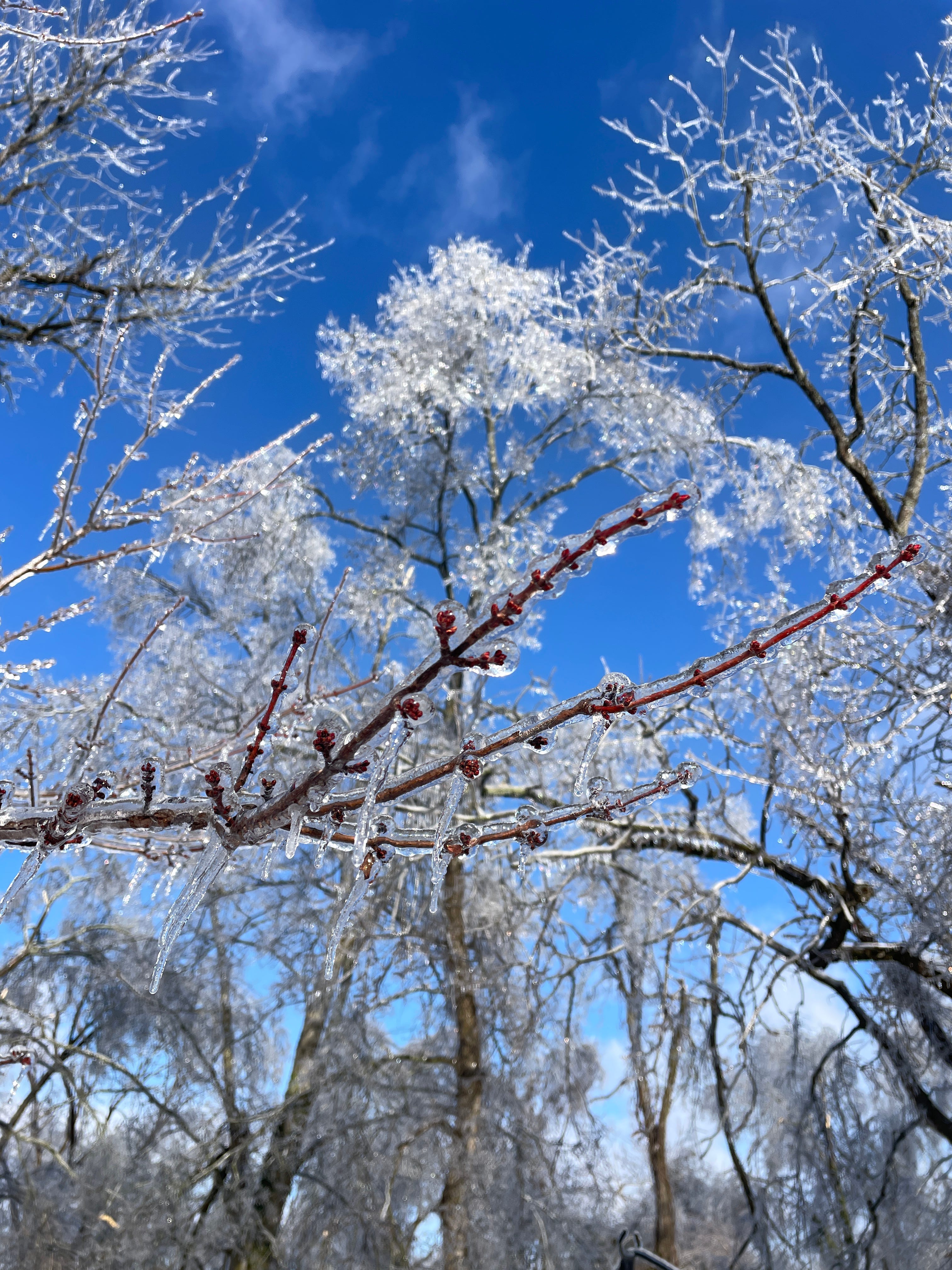
How should we analyze the quality of storm preparation & response to the January 2026 Ice Storm?
First we need to define what success might have looked like. Then we should recognize there are cost-benefit tradeoffs to preparing for a storm like this. Thirdly we should analyze ALL possible parties & factors, not just NES and The Mayor.
What would an ideal response have been? To establish a baseline, I would look at historically recent ice events in cities similar to Nashville & nearby areas during this same event. How many days were those places without power? How were those events different? Did those places have inherent advantages or disadvantages? Did they have temperature warm-ups shortly after or persistent cold like we did?
How many federal and state dollars, workers, other resources were provided in those storms? In 2026, I don’t think Nashville received much if any timely resources from the state of Tennessee or the Federal government? Let’s make sure to include that in our analysis.
Should NES have done more tree cutting? Would that have helped? Did we have the political will to cut down more trees in years prior? NES is roundly hated for butchering trees during the summer. We can’t have it both ways.
Should we have invested in burying power lines? For me this one is more clear cut. We do not have the population density to pay for burying power lines. You cannot have suburban densities, low taxes and expensive buried power lines at the same time. We made our choice to live in low density, tree-filled neighborhoods. Susceptibility to ice storms is a characteristic of above ground power grids.
What’s different than 1994? Social media is ubiquitous in 2026. That was not the case in 1994. An anecdote I saw on Facebook was someone saying in 1994 they had no idea when power would be restored. So they just waited. There was no NES map in 1994. There were no Social Media Councilmember updates in 1994. I would propose that we examine if Social Media itself did two things. Did social media give us a false sense of entitlement for us to know an unreasonably accurate prediction of when our power would be restored? And did social media do its thing of amplifying the mob mentality of looking for someone to blame?
During the five days without power I was irritated, ornery, angry, etc. I was out of my routine. Experiencing unforseen expenses on a hotel stay. Trying to keep our cats from escaping, destroying hotel property or hurting themselves. We awoke one night at 3am to the cats having peeled a utility panel off the hotel wall & had to scramble to make sure they didn’t disappear into the ductwork. This and daily trips to check on our house, which without electricity became a huge liability, made for a rough week.
But just because it was unpleasant. And boy was it unpleasant. So much so that a handful of people literally froze to death. But does that in and of itself mean the storm response, judged objectively, was poor? I think it’s important to have a postmortem analysis of what went well, what went wrong and how we can be better. But it feels too easy to just blame it all on NES preparation & response.
It is above my pay grade to analyze whether NES had enough lineman, or made the most of their technology & communication abilities. I have hunches but in reality I do not know. I think there was a bit of a circular conversation happening, amplified by social media, where we all agreed to make NES the villain. The Mayor perhaps saw this coming and sidestepped the blame avalanche by turning on NES mid-way through the storm response.
NES trucks were visible. A common social media post was, ‘Has anyone seen an NES truck on ABC street?’ NES was the party that was eventually going to show up and reconnect our power, so they were also the easiest target for our ire.
Should the State of Tennessee have stepped in and used its economic might to inject Nashville with more line crews? Would more line crews have even helped? Were there bottlenecks like a limited # of NES supervisors or a lack of lineman who had the proper training for the idiosyncrasies of our power grid? There’s so much we don’t know. Has the federal government injected resources into past ice storms in a way that didn’t happen for us in 2026? I do not know, but we should include that question in our analysis.
We should do more than put on a show trial for the NES board members. Because while it may scratch a primal itch to focus on the actions of NES. It might leave us with an incomplete or even fundamentally incorrect conclusion.